



What Exactly is a CPAP Machine?
CPAP stands for Continuous Positive Airway Pressure.
Think of it as a gentle "air splint." When you have sleep apnea, the muscles in your throat relax too much during sleep, causing your airway to collapse or become blocked. This stops your breathing for seconds at a time—sometimes hundreds of times a night.
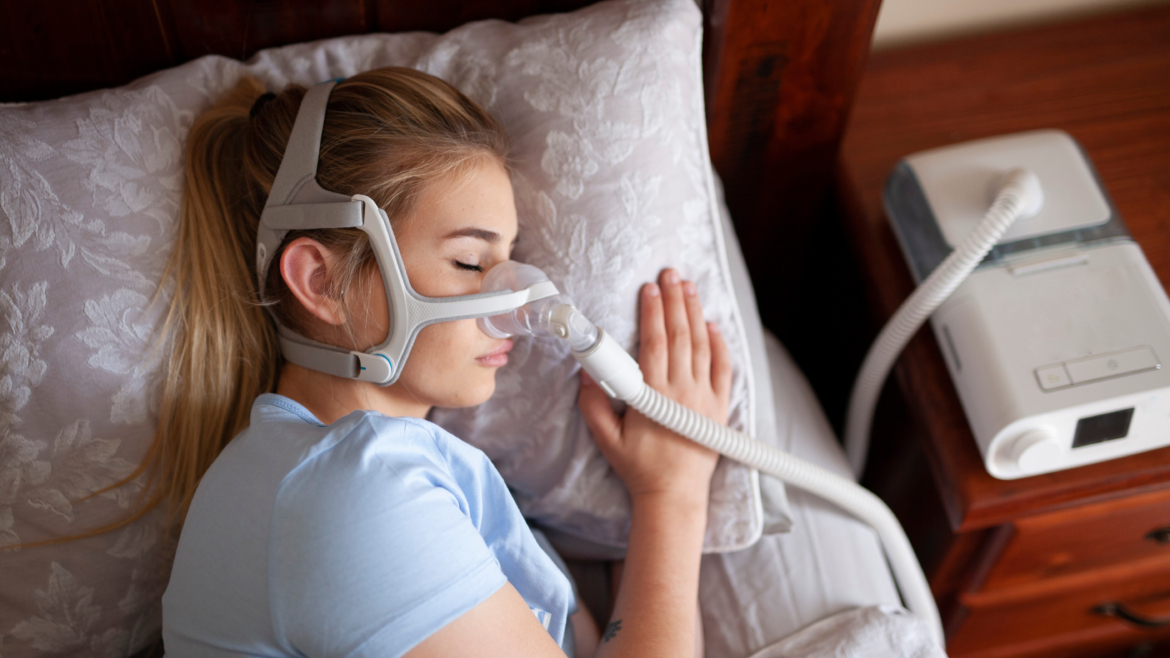
A CPAP machine draws in room air, filters it, and purifies it. It then delivers a steady stream of pressurized air through a tube and into a mask you wear while sleeping. This constant pressure keeps your airway open, ensuring you never stop breathing and your oxygen levels stay steady.
The Three Pillars of a CPAP System
Every CPAP setup consists of three main components:
The Motor: A small, quiet box that compresses the air. Modern motors are nearly silent, so they won't keep you (or your partner) awake.
The Hose: A flexible tube that connects the motor to your mask. Many are now "heated" to prevent condensation from forming inside.
The Mask: This is the most personal part of the setup. Masks come in various styles, from Nasal Pillows (which sit just at the nostrils) to Full-Face Masks (which cover both the nose and mouth).
Life-Changing Benefits (Beyond Just Ending Snoring)
While stopping the snoring is a huge win for everyone in the house, the internal health benefits are even more significant:
Heart Health: Every time you stop breathing, your blood pressure spikes. Over time, this strains the heart. CPAP therapy significantly reduces the risk of heart disease, stroke, and hypertension.
Mental Clarity: By allowing your brain to reach deep, restorative REM sleep, CPAP clears the "brain fog" often associated with apnea. You’ll find your focus and mood improve drastically.
Diabetes Management: Better sleep helps regulate insulin sensitivity, making it easier to manage blood sugar levels.
Safety: Untreated sleep apnea is a leading cause of drowsy driving accidents. Staying oxygenated means staying alert behind the wheel.
Overcoming the "Adjustment Period"
Let’s be honest: sleeping with a mask on your face takes some getting used to. However, modern technology has made it easier than ever.
The Ramp Feature: Most machines start with a very low pressure while you’re falling asleep and slowly "ramp up" to your prescribed pressure once you're out.
Humidification: To prevent a dry nose or throat, built-in water chambers add moisture to the air, making the experience much more comfortable.
Smart Tracking: Many new devices sync with your phone, giving you a "sleep score" every morning so you can see exactly how many apneas the machine prevented.
Is it Time for a Sleep Study?
If you find yourself exhausted during the day or if your snoring is affecting your quality of life, a CPAP might be the missing piece of the puzzle. The first step is always a professional sleep study (either in a lab or at home) to determine the exact pressure settings your body needs.
